If you search for your services in your own city and competitors own the map while you are nowhere to be found, you are losing money every single hour. For local businesses, the Local Pack is the top three Google Map results at the head of the page. This is the ultimate prize for local search and the primary way your customers find you.
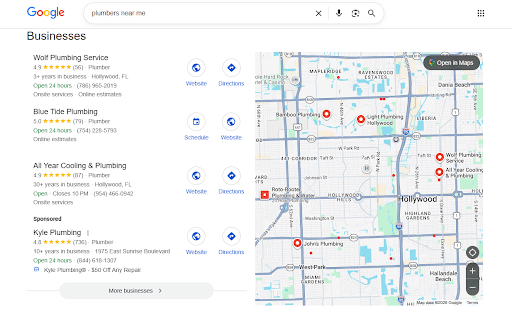
The stakes are high: according to industry experts, 42-44% of local searchers click on one of those top three results before looking at anything else. If you are not there, you are invisible to nearly half of your potential customers. You are essentially handing leads to the guy across the street.
This guide is a diagnostic roadmap to identify your technical leaks and get your business back where it belongs.
1. The Diagnostic: Why the Map Pack is Ghosting You
Google does not have a personal grudge against your business, but the algorithm is cold and calculated.
If you are not in the Top 3, it is because Google has found a reason to doubt your relevance, proximity, or prominence. You are being out-maneuvered by competitors who have their data tightened up.
To fix the ghosting, we have to look at the hard data SEO experts use and find exactly where your profile is breaking down.
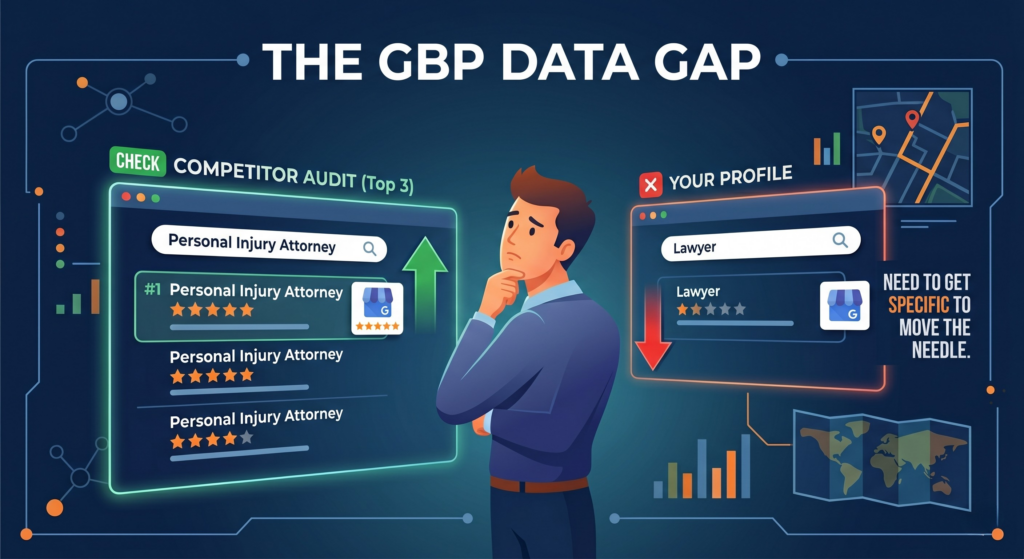
The GBP Data Gap
Google relies on trust. If your profile is incomplete or your Primary Category is too broad, you are competing in a diluted pool.
Optimization is about Category Dominance. Audit the top 3 competitors in your niche. If they are all listed as “Personal Injury Attorney” and you are just listed as “Lawyer,” you need to get specific to move the needle.
The NAP Identity Crisis
NAP stands for Name, Address, and Phone Number. If these details are different on Yelp than they are on your Facebook page or website, Google loses confidence in your data.
Perform a Citation Audit. Ensure your address is identical everywhere. If you use “Suite 100” on Google, do not use “#100” on Bing. Consistency is the key to local authority.
Review Velocity vs. Total Count
A common mistake is thinking a high total review count is enough. Google prioritizes recency and engagement.
If you have 100 reviews from two years ago but your competitor has 10 reviews from the last two weeks, they will likely outrank you.You need a daily system to request fresh reviewsand maintain review velocity.
The “Ghost Profile” Problem (Duplicates)
Having multiple listings for the same business is a ranking killer. Google suppresses duplicate data to protect the user experience.
Search for your business on Google Maps. If two pins appear, use the Suggest an Edit tool or contact Google Support to consolidate your ranking power into one profile
2. The Technical Deep Dive: Expert Level Signals
If the first section was about cleaning up your image, this section is about mastering the machine. Google is not just looking at your profile; it is crawling your website and analyzing the digital “breadcrumbs” you leave across the web.
If you want to jump over competitors who have been sitting in the Top 3 for years, you have to nail the technical signals they are ignoring. This is where we move from basic maintenance to total market dominance.
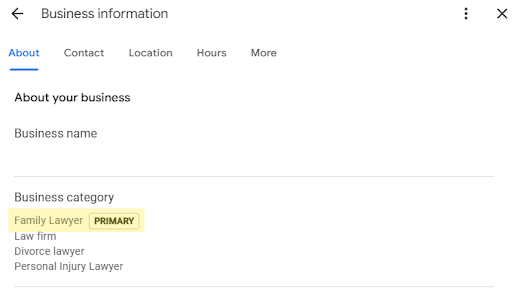
Primary vs. Secondary Categories
Choosing your Primary Category is the most important choice in your profile. Your secondary categories should support it, but overstuffing them can confuse the algorithm. Pick one strong primary category and two or three highly relevant secondaries.
Service Area Business (SAB) Nuances
If you work from home or do not have a storefront, you are a Service Area Business.
Here is how this looks on your profile: you are clearing out the physical address and replacing it with a strategic list of cities where you intend to win.
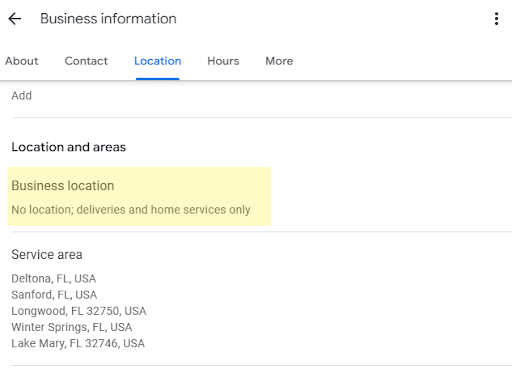
You have to define your service radius with precision. If you overreach and set your radius too wide, Google will flag you as a generalist rather than a local authority, causing your ranking to tank in the very zip codes you want to own.
Local Schema Markup
This is invisible code on your website that tells Google bots exactly where you are in a language they understand. Without Local Business Schema, you are forcing Google to guess your location. Google does not like to guess.
This is what it looks like when Google’s bots finally understand your business: those green checkmarks are the ultimate signal that your website and your Map listing are perfectly synced.
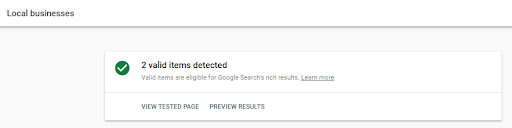
When this code is live, you aren’t just a random website anymore. You are a verified local entity in Google’s eyes, which gives you the authority needed to push your competitors out of the Top 3
3. Three Common Myths Business Owners Believe
In the local SEO world, there is a massive amount of conflicting information that can lead business owners down the wrong path. If you are following outdated tips from five years ago, you are walking into an algorithm trap. To protect your Google Business Profile rankings, we need to clear the air on these common misconceptions before they impact your growth.
- • Myth 1: I should put keywords in my business name.
The reality is that this is “name stuffing.” You might think adding “Best Plumber” to your actual business name helps, but Google sees this as a red flag. It might work for a short time, but it is a direct violation of Google terms and often leads to a permanent profile suspension.

- • Myth 2: Paying for Google Ads helps my organic Map ranking.
The reality is that there is no “pay-to-play” link between your ad spend and your organic Map position. Ads can get you into a sponsored slot at the top, but they will not fix a broken organic profile or move your pin higher in the natural results. - • Myth 3: Optimizing my profile is a one-time job.
Many owners believe once the info is filled out, the job is done. In reality, Google tracks freshness signals. A dormant profile suggests your business is less active than the competitor down the street who updates theirs weekly. Consistently adding photos, responding to reviews, and sharing posts keeps your GBP “alive” in the eyes of the algorithm.
The Recovery Roadmap: Your 30-Day Action Plan
Most business owners treat SEO like a hobby they get to when they have a free hour. That is why they stay on page two. To reclaim your spot, you need to treat this like a high-priority project. This roadmap is designed to systematically remove every obstacle Google has put in your way.
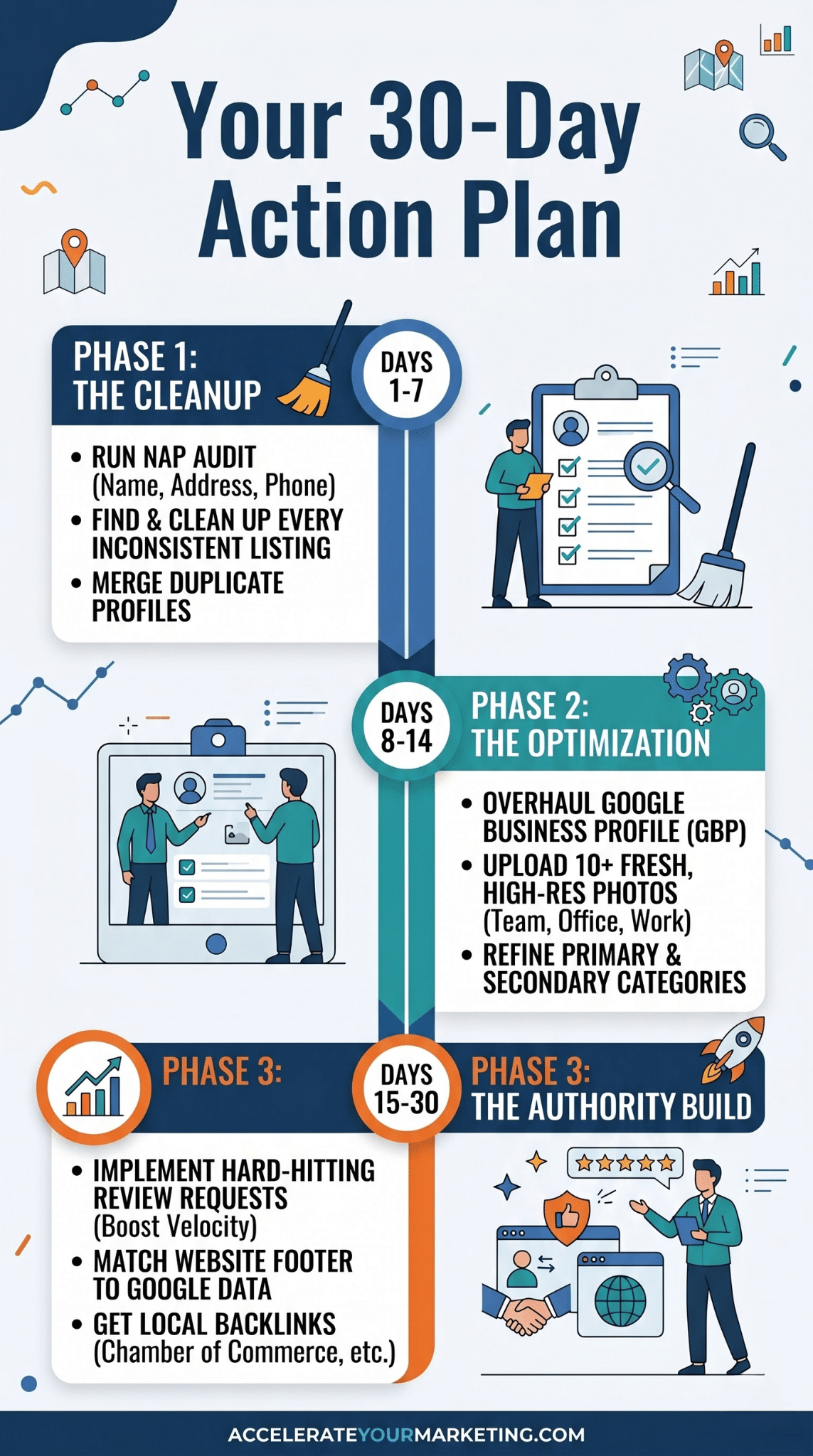
• Day 1 to 7: The Cleanup. This is the foundation. Run your NAP audit and hunt down every inconsistent listing on the web. If you find a duplicate profile, merge it or kill it immediately. You cannot build a high-ranking listing on top of fragmented data.- • Day 8 to 14: The Optimization. Overhaul your Google Business Profile from top to bottom. Upload 10 fresh, high-resolution photos of your team, your office, and your work. Refine your primary and secondary categories to match what the market is actually searching for.
- • Day 15 to 30: The Authority Build. This is where you pull ahead. Implement a hard-hitting review request system to spike your review velocity. Ensure your website footer matches your Google data exactly. Reach out to local organizations or the Chamber of Commerce for high-quality local backlinks that prove to Google you are a pillar of the community.
The Reality of the Algorithm
While this 30-day sprint builds a flawless foundation, the timing of your results depends entirely on your industry and how aggressive your local competitors are.
In low-competition niches, you might see movement quickly; in crowded markets, it can take 6 to 12 weeks for Google to fully “digest” your changes and reward you with a higher rank. SEO is a marathon, and the work you do in month one is what fuels your dominance in month six.
A Strategic Note: There is a significant difference between knowing what to do and having the actual bandwidth to execute it. High-growth businesses often hit a ceiling where the time spent hunting down old citations and managing technical Schema outweighs the benefit of doing it manually.
At Accelerate Marketing, we bridge that gap by handling the technical heavy lifting, ensuring your foundation is perfect so you can stay focused on the resulting surge in calls and service requests. If you’re ready to transition from diagnostic research to professional implementation, we are here to lead the way.
FAQs
Is it worth the effort to respond to every review?
If you want to rank, yes. Responding to reviews, both good and bad, proves to Google that the lights are on and someone is home. It signals high engagement. Ignoring your reviews is like letting a “Closed” sign hang on your front door while you are still inside working.
Someone left a fake 1-star review. Can I get it removed to save my ranking?
Google rarely removes reviews unless they clearly violate terms (like hate speech or spam). Don’t waste weeks screaming at a support bot. The fastest way to “fix” a fake review is to bury it. Get fresh, 5-star reviews from real customers. The algorithm cares more about your current momentum than one bitter outlier.
Does my website speed affect my Map ranking?
Absolutely. Think of your website as the anchor for your Map pin. If your site is slow, broken on mobile, or lacks Local Schema, Google will pull your pin because they don’t want to send their users to a bad experience. A fast, optimized site proves you are a professional operation.
Conclusion: Dominate the Neighborhood
The Local Pack is not some digital lottery that you hope to win one day. It is a calculated, competitive battlefield where Google rewards the businesses that prove they are the most relevant, the most trusted, and the most active. If you are sitting on page two, you are essentially invisible to half of your market, and you are handing your leads to competitors who may not even do as good a job as you.
Integrating call tracking, cleaning up your fragmented NAP data, and spiking your review velocity are not just SEO tasks, they are the moves you make to take total control of your growth.
Ready to reclaim your spot at the top?
If you are tired of being ghosted by the algorithm and you want to stop the “hope-based” marketing, the Accelerate Marketing team is ready to step in. We handle the technical heavy lifting so you can focus on answering the phone and closing deals.Reach out to us today for a high-level strategy session, and let’s turn your business into a local reference.